Destinations
- Kitugala
- Nuwara Eliya
- Kandy
- Peradeniya
- Matale
- Dambulla
- Sigiriya
- Minneriya
- Polonnaruwa
- Trincomalee
Day 1
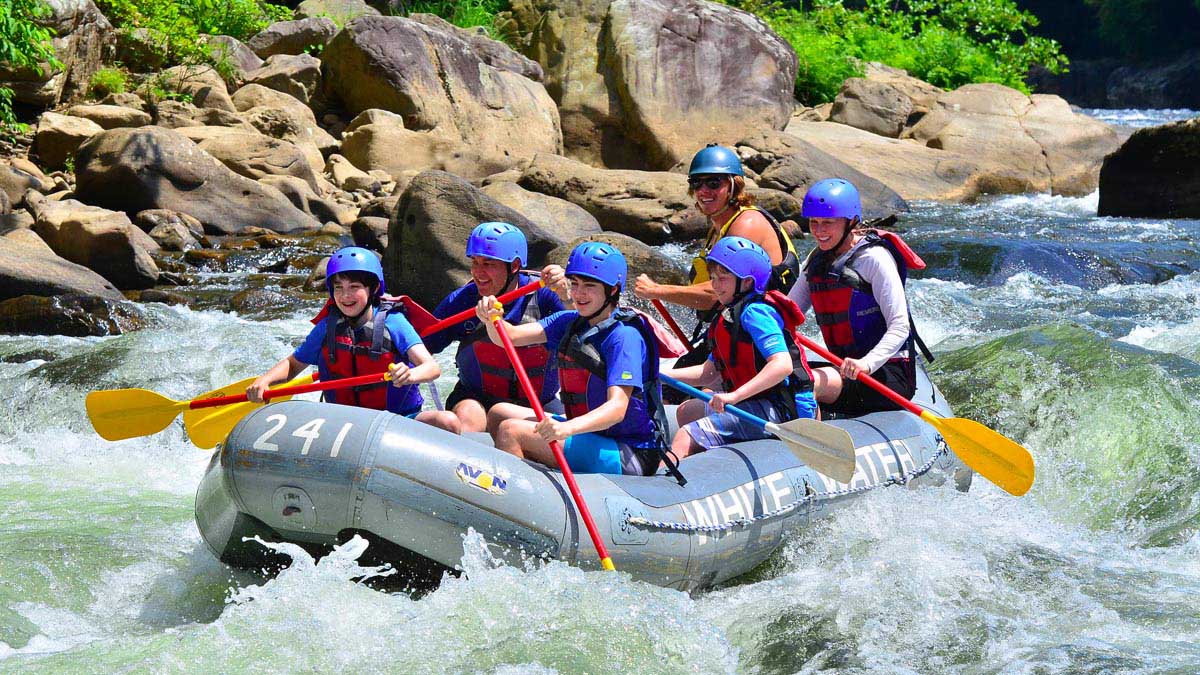
Warmly welcome you at Bandaranayaka International Airport Travel for Kitulgala lush green destination with a wonderful score for white water rafting in the Kelani River with encounters of grade 2 & 3 rapids, and check-in at your hotel. Overnight stay in Kitulgala.
Kitulgala
Kitulgala is a Rain Forest patch that attracts many residents and foreign tourists for its natural beauty. The Academy Award-winning movie The Bridge on the River Kwai was filmed on the Kelani River near Kitulgala, although nothing remains now except the concrete foundations for the bridge. Kitulgala is the base for white-water rafting in Sri Lanka, but there are myriad leisure and adventure activities that can be done in Kitulgala.
At Sri Lankan Expeditions, suggests following things to do if you are planning a trip to Kitulgala,
- White Water Rafting in Kelani River
- Flat Water Rafting for Kids in river branches in Kitulgala
- Jungle walks to see beautiful rivers and waterfalls
- Mountain biking on the roads or in the forest
- River bathing in the shallow branches of the main river in Kitulgala
- Visit remote Waterfalls and streams
- Waterfall Jumps and Waterfall Abseiling
- Bird Watching
- River expeditions
Day 2
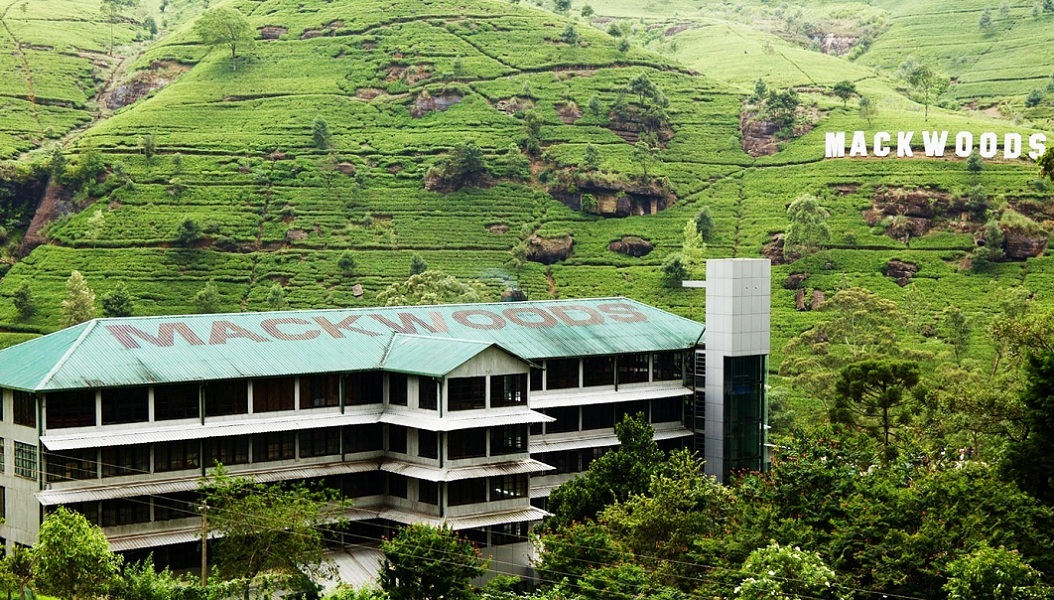
After breakfast leave to Nuwara Eliya, waterfall, Tea plantation, and Oliphant Estate, Gregory Lake, Haggala Botanical garden, Victoria Park, and Nuwara Eliya city tour.
Nuwara-Eliya
Nuwara-Eliya is one of the cities that lie at the highest altitude of Sri Lanka and is popular as a paradise holiday destination. Located in the central hills, 180km away from Colombo; Nuwara Eliya is a classic example of the climate diversity of Sri Lanka. It is also a city where the influence of Colonial architecture is visible. Covered and cornered from three of the highest mountains of the country is Piduruthalagala, the Great Western & Haggala, it becomes a paradise of its own isolating itself from other bustling cities and towns. However, it offers many activities for tourists such as hiking, pony riding, boating, golfing, visits to the tea plantations, and the lovely landscapes & parks.
Day 3
Wake up early morning at 0500 am drive to Horton plains visiting world end after leaving to Kandy, sightseeing waterfall, Tea plantation, enjoy traditional dancing in Kandy. And Check in your hotel Over Night stay in Kandy.
Don’t forget to bring
- Good steady shoes
- Comfortable trousers
- Long sleeves for the early morning hours
- Sun cream
- Hat
- San Glasses
- Fruit and Snacks (not packed in plastic bags)
- Water
Horton plains
Horton plains are the only National Park that is based in the hill country. It is the best escapade for nature & adventure lovers. Beautiful grassy land provides stay to many wild animals such as Leopard, Samber, and the endemic Purple-faced Languor. Endemic highland birds include Dull-blue Flycatcher, Sri Lanka white-eye, and Yellow-eared Bulbul. All travelers enjoy their travel by visiting ‘World’s End ‘where ‘Horton Plains’ suddenly stops with a steep of 1050 meters as if the whole world ends there. Misty surrounding makes it so real.

Kandy
Sri Lanka’s second-largest city after Colombo, 1551 above sea level, Kandy is a historic city of the highest religious and cultural importance. The last capital of Sinhalese King until it fell into the hands of the British in 1815, Kandy which is also known as Senkadagalapura was established by the Wickramabahu 111 (1357-1374 CE). Kandy remains the most sacred Buddhist since it is the home of the temple of the Sacred Tooth Relic (Sri Dalada Maligawa) – the most venerated Buddhist shrine in the world and this historic sacred site was declared a world heritage site by UNESCO 1988.
Day 4 & 5
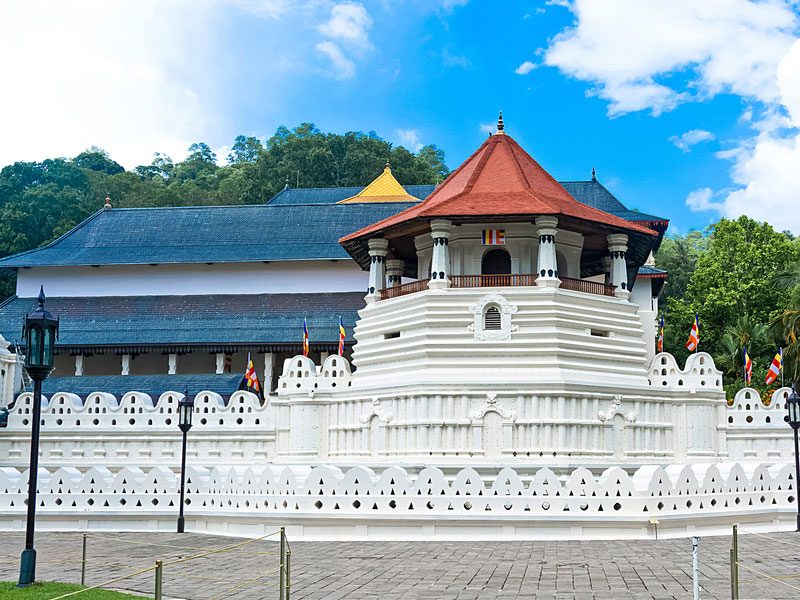
After breakfast Visit the Dalada Maligawa the golden roofed Temple of the Sacred Tooth Relic of the Buddha and Witness traditional drumming during “pooja”. Morning, Afternoon, and evening. Exploring the beautiful Knuckles Range Heritage & Wilderness area will simply take your breath away!. Bahirawakanda Temple, Ceylon tea Museum, British Garrison Cemetery, Udawattekelle Sanctuary, Gadaladeniya Temple, Embekka Devale and Peradeniya Botanical Gardens,
Dalada Maligawa
Temple of Tooth, Sri Dalada Maligawa, or the Temple of the Sacred Tooth Relic is a Buddhist temple in the city of Kandy, Sri Lanka. It is located in the royal palace complex of the former Kingdom of Kandy, which houses the relic of the tooth of the Buddha. The most sacred place of Buddhist worship in Sri Lanka and perhaps the world’s most sacred Buddhist shrine is venerated by millions of Buddhists all over the world. The temple of the Sacred Tooth Relic or Dalada Maligawa is a monumental palace built in the heart of the city of Kandy to house the sacred relic of the tooth of Gautama Buddha. Brought from Kalinga in India during the reign of Sri Meghavanna.
The sacred relic of the tooth was taken from the funeral pyre of Gautama Buddha in 483 BC. Later on, the princess Hemamali with her husband prince Danta smuggled it into Sri Lanka hidden in her hair on the instructions of her father Guhasiva a during the 4th Century AD and it was first enshrined in Isurumuniya Temple in Anuradhapura. The first established kingdom in ancient Sri Lanka. Then it moved through a number of kingdoms across the country from time to time and in the end, it was brought to Kandy by Hiripitiya Diyawadana Rala and Devanagala Ratnalankara Thera. during the reign of king Wimaladharmasuriya 1(1591-1604)who built a two-story building to place the sacred relic of the tooth. After that, it was improved by various kings who ruled the Kandyan kingdom, and the last improvement was done by King Sri Wikrama Rajasinha (1798-1815).
Paradeniya Botanical garden
The Royal Botanic Gardens at Peradeniya occupies a horseshoe-shaped peninsula and the scenic splendor of the garden has been raised to greater heights by the longest river of Sri Lanka, The Mahaweli which flows through its fringes. The total area is 147 acres (about 60 hectares) containing about 4500 plant species. It is situated in the serene hill capital; it is near the Mahaweli River. It is renowned for its collection of orchids.
Day 6
After breakfast Proceed to Dambulla En-route you will visit Matale Muttumariyamman Kovil, Aluviharaya cave temple, Nalanda Gedige, Matale spice garden, and proceed to Dambulla cave temple, Check-in your hotel. Overnight stay in Dambulla
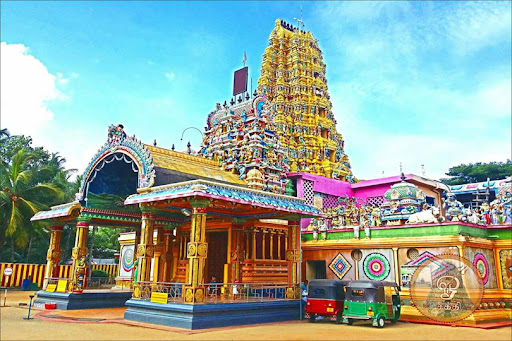
Matale Muttumariyamman Hindu Kovil
Matale Muttumariyamman Hindu kovil, Muthumariamman Temple or Arulmigu Sri Muthumari Amman Kovil is a temple in Matale, Sri Lanka. The prefix “Muthu”, literally means “pearl”. “Mari” means rain and “Amman” means mother. On completion proceed to a historic sacred city in Kandy. And Check in your hotel. You will really enjoy a Cultural Dance Program. Overnight stay in Kandy.
Matale Aluvihara temple
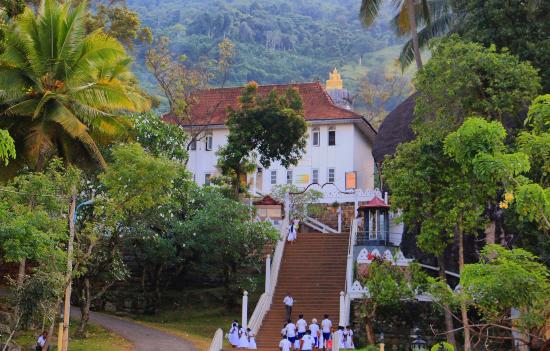
Matale offers you several attractions from heritage sites to natural attractions. Matale Aluvihara Rock temple is the place where Buddhist monks wrote the Buddhist scriptures (Tripitakas) in Pali on Ola leaves. There is an influx of tourists both home and abroad flocking to this historic temple.
Nalanda Gedige
Nalanda Gedige is considered one of the best gediges in Sri Lanka .A Gedige is a hollow structure with thick walls. This 8th –century gedige which lies on a raised ground in paddy fields, picturesquely surrounded by low hills and wooded hemlets, is comprised of a mandapa, an entrance hall, a short passage to a bare cello, and an ambulatory. Finely decorated faced sections and mandapa seem to be of South Indian style. However, there are no signs of Hindu deities in gedige which is said to have been used by Buddhists.
Dambulla cave temple
Dambulla is a commercial town with Sri Lanka’s largest produce vegetable market and is most famous for the cave temple and also for the iconic golden temple. Dambulla heritage site with a history extending from prehistoric and proto-historic times, right down to the modern period, makes Sri Lanka’s heritage really splendorous, Sightseeing the city and proceeding to the Dambulla Cave temple. It is believed that when king VattaGamini was fleeing from his enemies in the 1st century BC.

Day 7
After breakfast, we start and climbing the Sigiriya lion rock. After Bullock cart Riding to see Sri Lanka real rural life and have Ayurveda massage. We drive to the Elephant riding place. You can decide to take a ride on an Elephant through the Jungle. After we proceed to Habana. Leisure at Habarana Lovely jungle surroundings. Check-in at your hotel. Overnight stay in Habana.
Sigiriya (Lion’s rock)
Sigiriya (Lion’s rock) is a wonderful ancient palace built atop 660 feet high rock column. This wonderful rock castle is a creation of King Kassapa (477-495CE). He built his Palace on the top of this rock and decorated its sides with colorful frescoes. The painting woods have covered most of the western face of the rock. An area is 140 meters long and 40 meters high. There are references in the graffiti to 500 ladies in these paintings However, most have been lost forever. Sigiriya is one of the most attractive historical sites in Sri Lanka and it is most famous for its stunning frescoes. Sigiriya today is a UNESCO-listed world heritage site. We start and climbing the rock. After we back from the top of the rock.

Habarana
Habarana is a base for elephant safaris to Minnariya and Badulla national parks both of which are most known for elephants. Hotels and resorts in Habarana offer elephant safaris, elephant back riding, and other activities.
Day 8
Early morning we leave for Minneriya national park. After proceeding to Polonnaruwa ancient city, Visit Polonnaruwa the medieval city with grand stone sculpture and shows the influence of the South Indian Hindu culture on Sinhala Buddhist art and architecture. And Check in your hotel. Overnight stay in Polonnaruwa
Minneriya national park
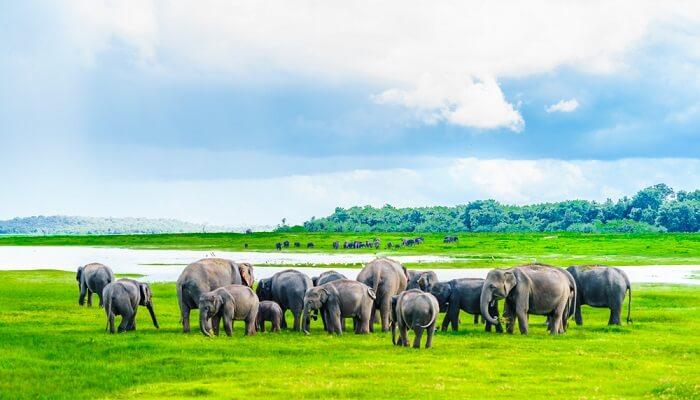
Minneriya national park is another wildlife park located a few kilometers east of Habarana and dominated by the ancient Minneriya Wewa, a tank built in the 3rd century AD by King Mahasen. The national park is most known for elephants as it is home to hundreds of elephants and faunal species include 24 species of mammals, 160 species of birds, 9 species of amphibians, 25 species of reptiles, 26 species of fish, and 75 species of butterflies.
Polonnaruwa
Polonnaruwa alias Pulastipura is an ancient city that was home to Sri Lanka’s second Kingdom. When the Anuradhapura Kingdom fell to South Indian invaders in 993, the Sinhalese royal capital was relocated to Polonnaruwa as the second capital of Sri Lanka. Polonnaruwa was also the royal capital of the south Indian Chola dynasty but they were warded off in 1070 by King Vijayabahu (1) and then he kept Polonnaruwa as his capital. But it is known as one of the cleanest and more beautiful cities in the country.
The green environment, amazing ancient constructions, Parakrama Samudra (a huge lake built in 1200)Today the ancient city of Polonnaruwa remains one of the best planned archaeological relic cities in the country, standing testimony to the discipline and greatness of the Kingdom’s first rulers. The ancient city of Polonnaruwa has been declared a World Heritage site by UNESCO.
Galviharaya
Galviharaya originally known as uttararama, is an ancient rock temple in Polonnaruwa with a group of magnificent Buddha images, all carved into a single long granite rock? The group consists of four colossal Buddha images, two seated, one standing, and another reclining. Erected by King Parakramabahu 1 in the 12th century, these colossal Buddha images portray the best of the Sinhalese expertise in rock carving.
Watadageya
Watadageya is a Buddhist shrine that was made for worshipping purposes which made by granite. All granite was well-shaped and carved with various things. Another part of the watadageya is made of bricks. There is four Lord Buddha status kept to four directions. Also, Lord Buddha’s statue was made of stone with well-shaped. It is a magnificent creation of ancient civilization.
Thiwanka Image House
Thiwanka Image House was Built by King Parakramabahu 1, Thiwanka House is a fascinating image house lying 400 meters north of the famous Lotus Pond. The word Tivanka refers to three curves and the image house is so-called as the only image of Buddha in the image house has three curves at knees, waist, and shoulders. This Buddha image stands 8m in height.
Day 9
After breakfast proceeds to Trincomalee. We will visit the city tour in Trincomalee. Visit Pigeon Island, Koneshwaran Hindu Temple, Hot Water Wells, and other major attractions during your visit. Check-in at your hotel. Overnight stay at Trincomalee.
Trincomalee
Trincomalee is one of the finest natural deep-water harbors in the world which is considered the commercial hub of Sri Lanka. Trincomalee is home to the fine beaches of Nilaveli, Uppuveli, and the off-shore Pigeon Island. Recently Trincomalee has become popular as a Whale Watching destination as well. The Dive centers at Nilaveli and Uppuveli offer tourists the opportunity to enjoy their holidays in diving, snorkeling, and swimming.
The Trincomalee district referred to as Gokanna or Gokarna in the historical chronicles and inscriptions, is studded with a multitude of ruins of ancient Buddhist temples and is considered a major Buddhist cultural and archaeological site of Sri Lanka. The seven hot springs at Kanniya located a mere 8km from Trincomalee attract regular crowds throughout the year in view of the therapeutic properties of the water as well as the varying temperatures from one well to the other.
Trincomalee beach
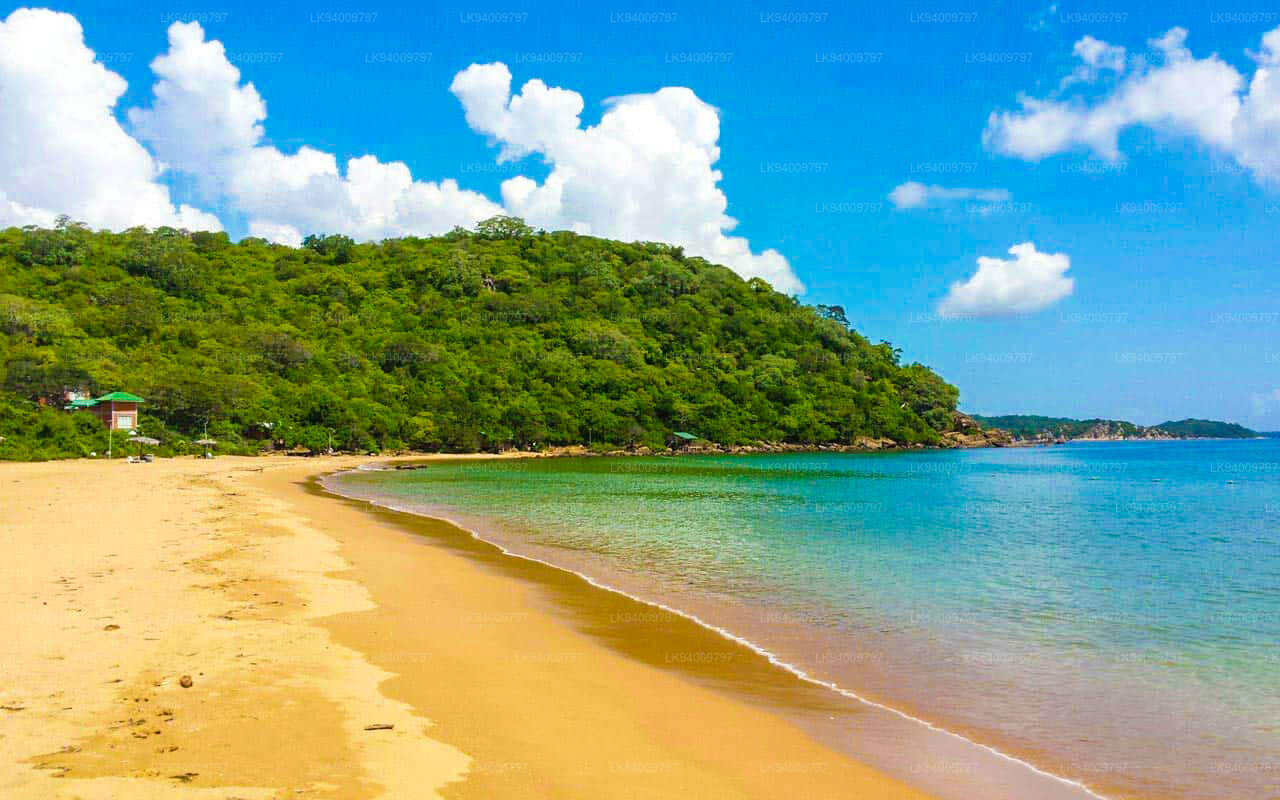
Trincomalee is the gateway to a few of the finest beaches on the eastern coast of Sri Lanka, namely Uppuveli and Nilaveli located 6km and 16km away from the town area. The beaches with knee-deep shallow waters that run hundreds of feet into the sea, afford ample opportunities for surfing, scuba diving, snorkeling, fishing, and Whale Watching.
Day 10 – Departure
After breakfast leave for the airport or Negombo via Kurunegala.